The Rhythm of Kyoto: Sacred Teahouses & Zen Gardens
Finding deep presence through the deliberate, unhurried cadence of tea ceremonies and stone gardens.
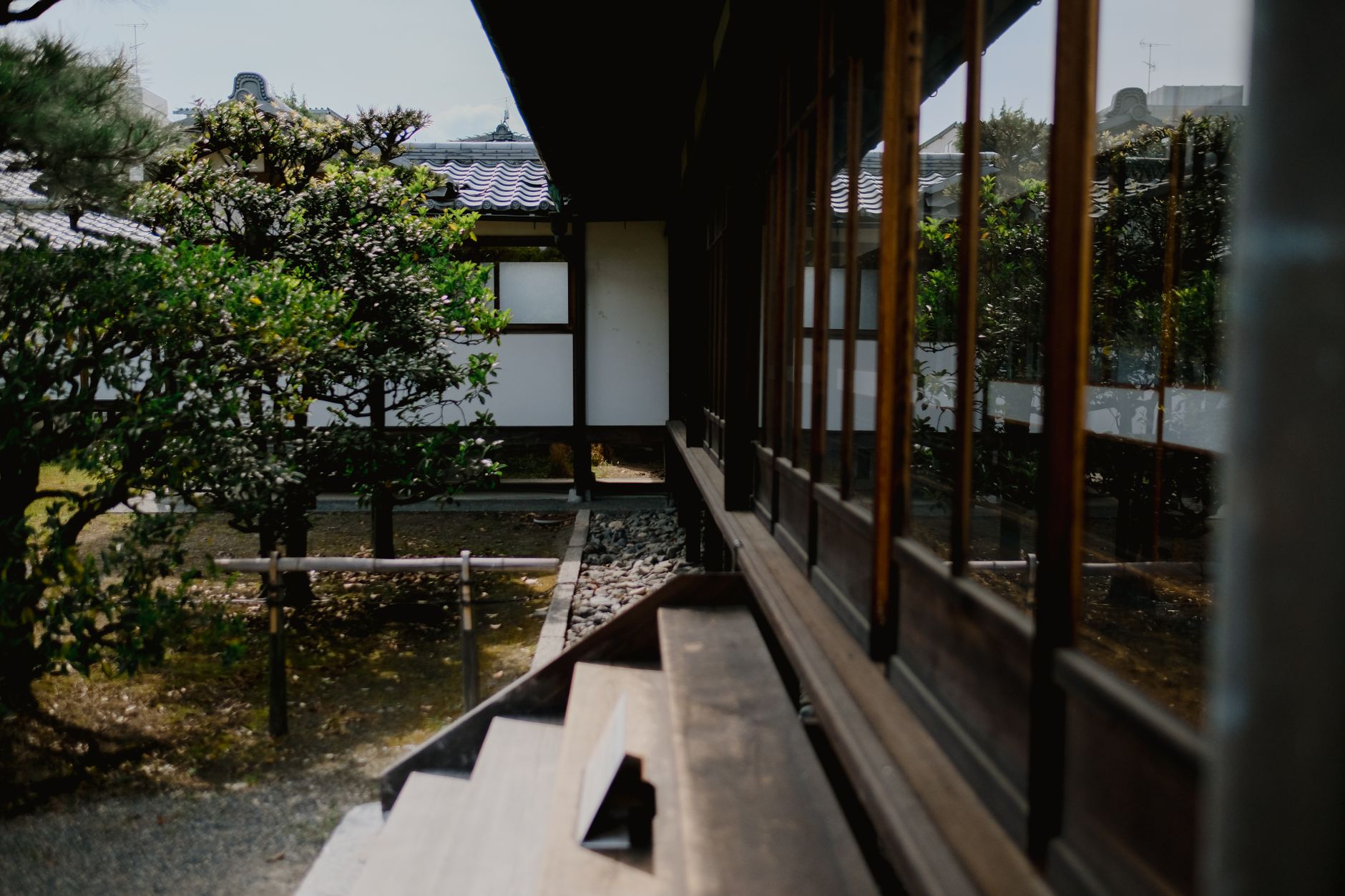
Kyoto does not reveal its soul along crowded avenues. It waits quietly in the damp alleyways of Gion before sunrise, in the smell of incense lingering over aged tatami mats, and in the whisper of bamboo leaves swinging in unison.
1. The Aesthetic of Wabi-Sabi
To understand travel in Japan is to accept imperfection and transience. Wabi-sabi celebrates the chipped ceramic bowl repaired with gold leaf, the weathered cedar post, and the moss encroaching on temple stairs. It reminds the traveler that beauty exists primarily because it is impermanent.
“In a simple bowl of whisked green tea, one discovers the entire universe of host and guest sharing an unrepeatable moment.”
2. The Way of Tea (Chadō)
In a four-and-a-half mat room within Daitoku-ji, the tea master prepares matcha with movements perfected over decades. Every gesture—the wiping of the bamboo scoop, the pour of hot water from an iron kettle—is executed with singular mindfulness. There is no conversation about tomorrow or yesterday; there is only this cup.
3. Moss & Stone Gardens
At Ryoan-ji and Saiho-ji, stones raked in dry gravel mimic the flow of cosmic waters. Sitting along the wooden veranda (engawa), visitors from every corner of the earth fall instinctively silent, mesmerized by the spatial geometry.
Curating Your Japan Pilgrimage
Allow our specialists to arrange private temple visits, private tea master sessions, and vetted ryokan stays.
Consult With Our Team